
Tanzania: Arusha Town
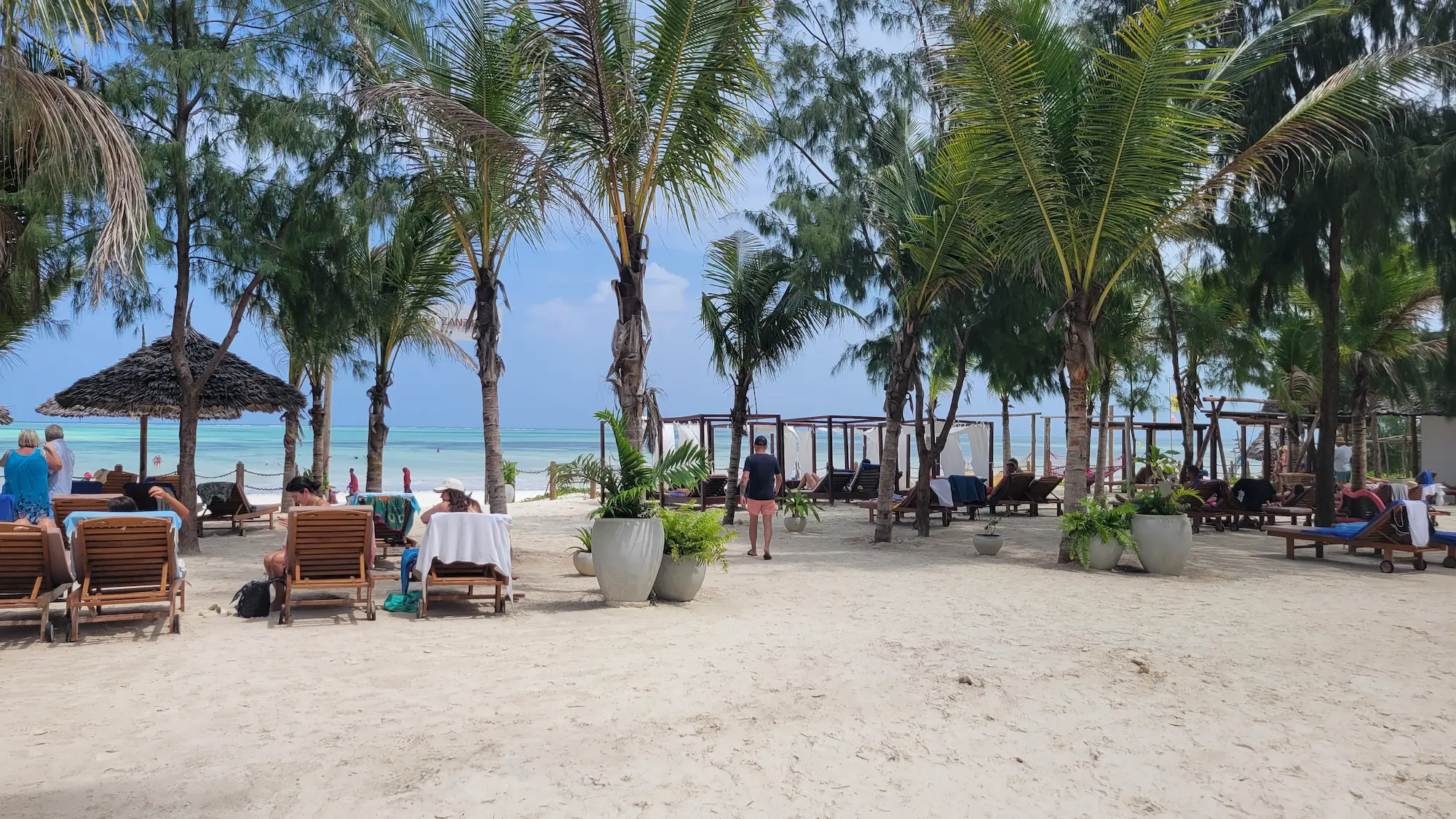
Zanzibar Island, off Tanzania's coast, is a gem blending history and nature. Stone Town enchants with its UNESCO-listed labyrinthine streets and Swahili culture.

Zanzibar Island, off Tanzania's coast, is a gem blending history and nature. Stone Town enchants with its UNESCO-listed labyrinthine streets and Swahili culture.
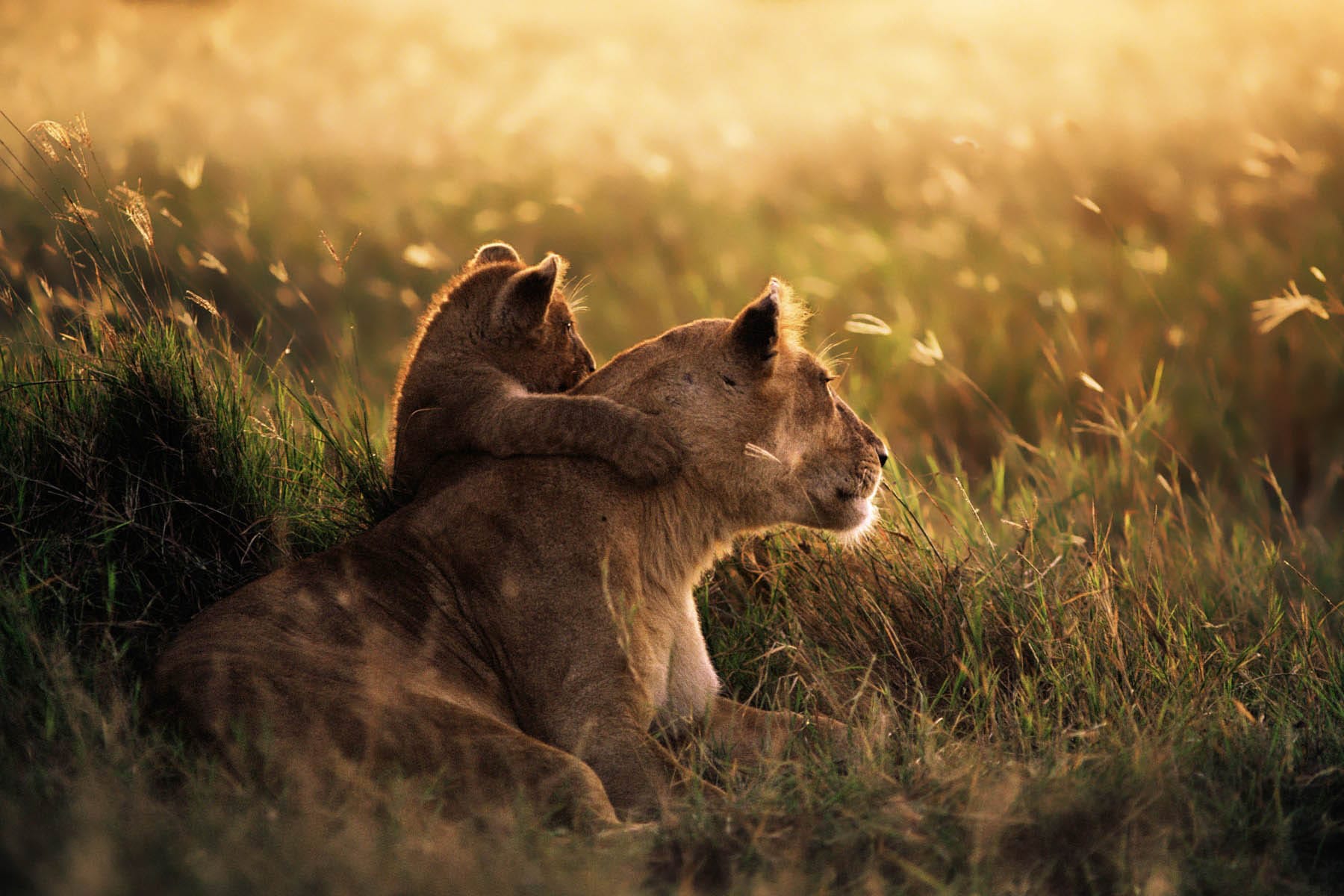
Mikumi National Park, established in 1964, sprawls across 3,230 square kilometers of savannah and woodland in Tanzania. It is renowned for its diverse wildlife, including elephants, lions, giraffes, zebras, and
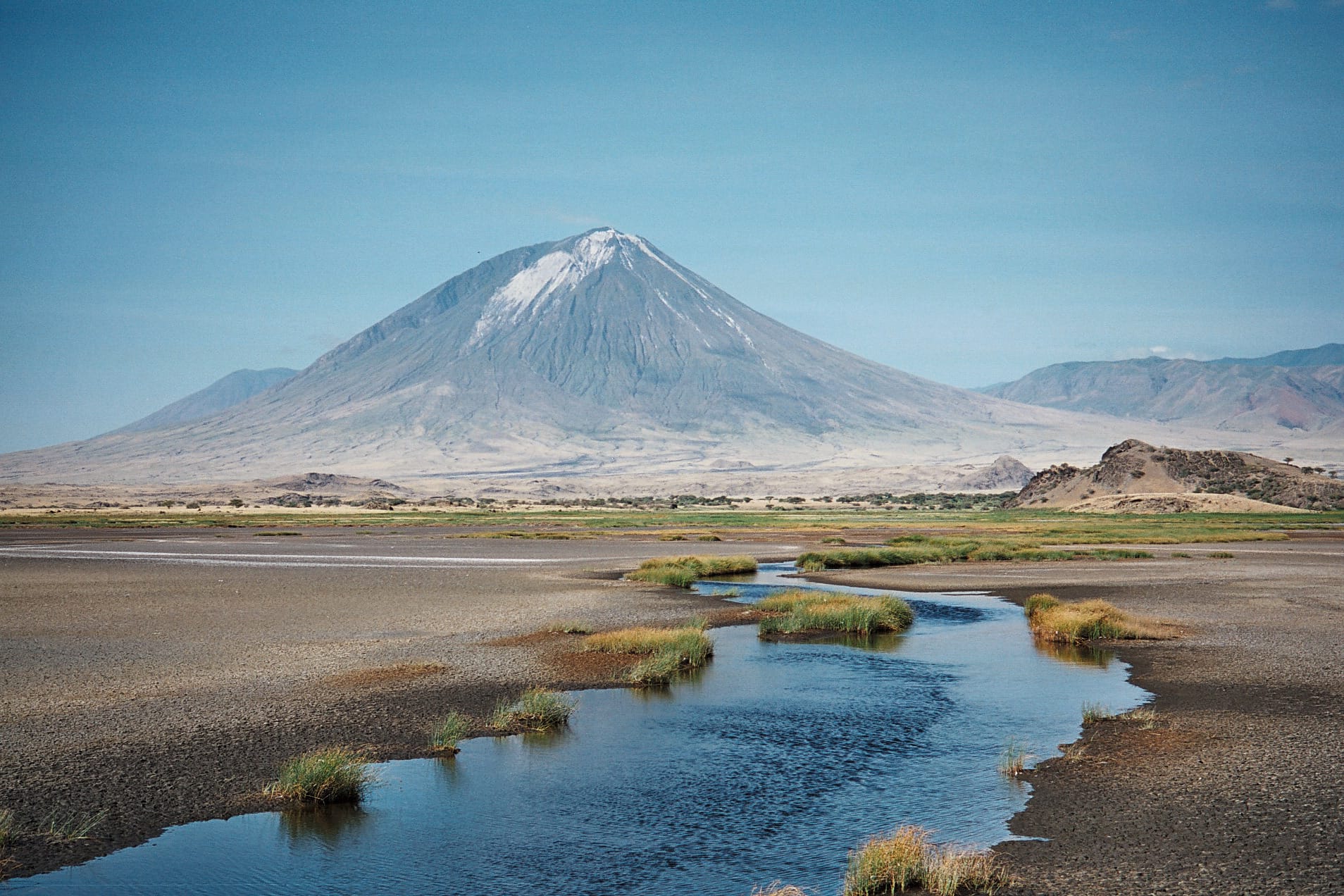
Lake Natron, located in Tanzania, is a highly alkaline lake renowned for its blood-red hue due to the presence of microorganisms.
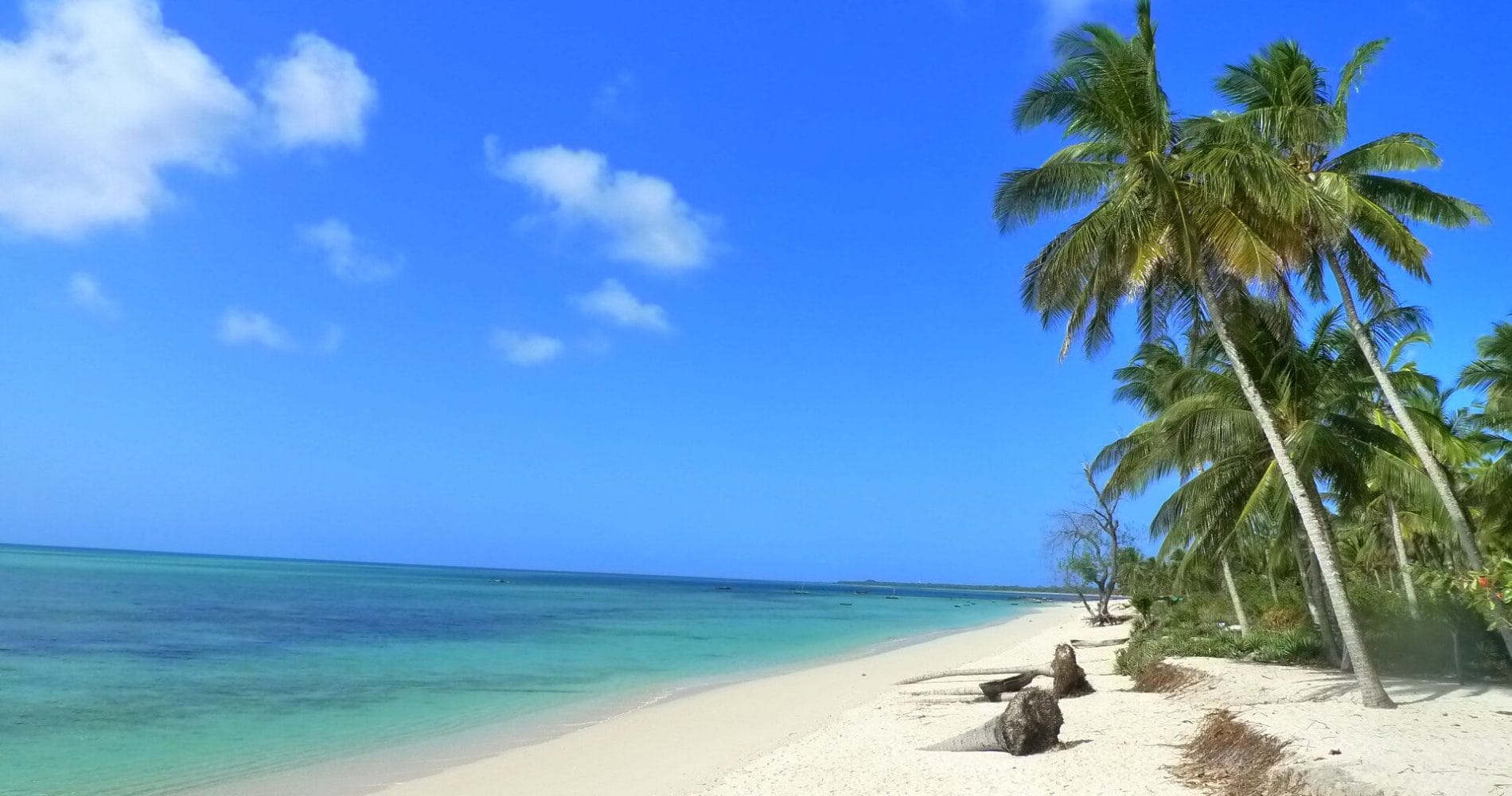
Mafia Island, nestled off the coast of Tanzania, captivates with its pristine beauty and rich marine biodiversity. Its crystal-clear waters shelter vibrant coral reefs, making it a diver's paradise.
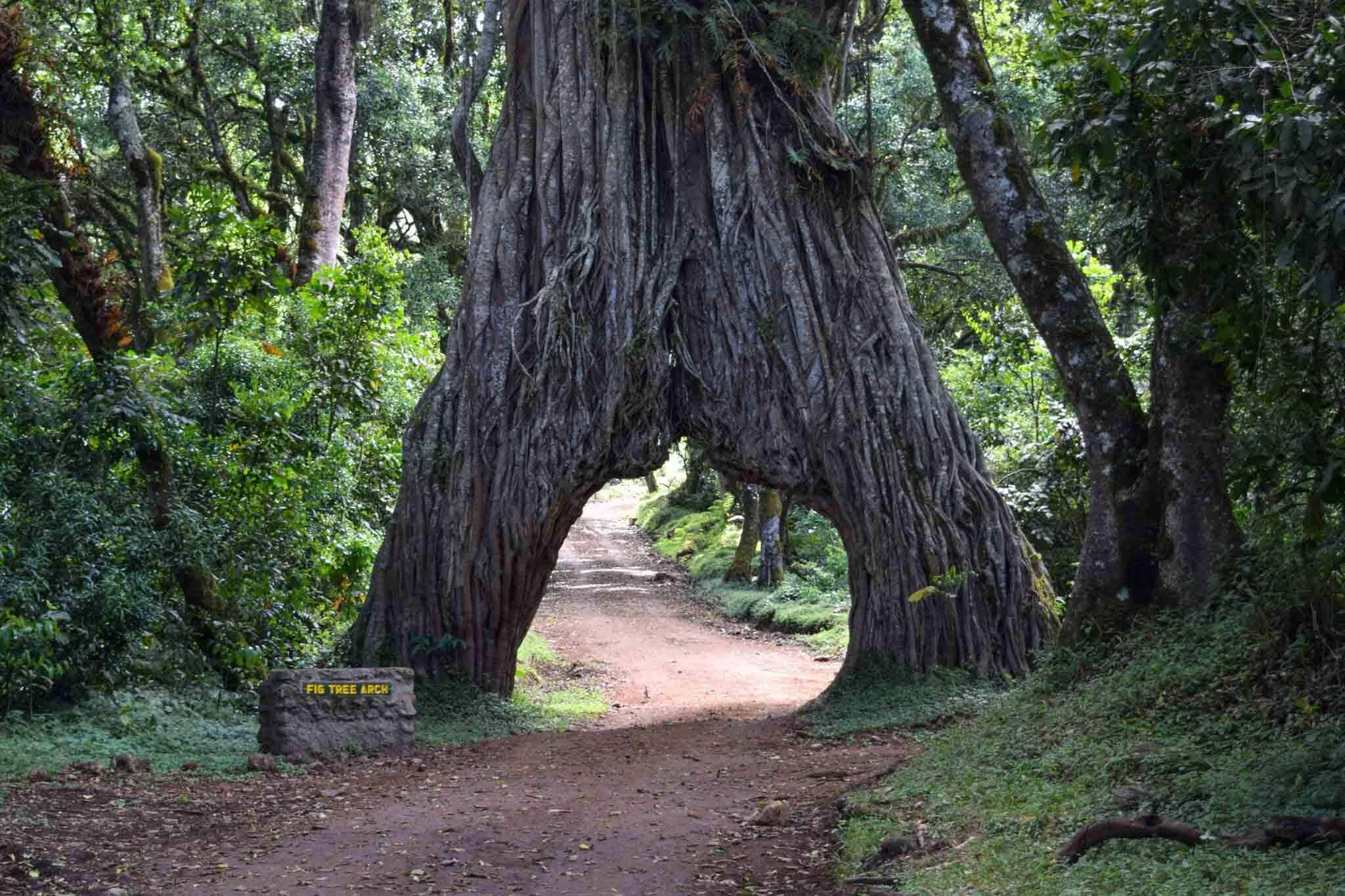
Mount Meru, standing majestically within Arusha National Park, is a dormant stratovolcano offering breathtaking vistas and diverse ecosystems.
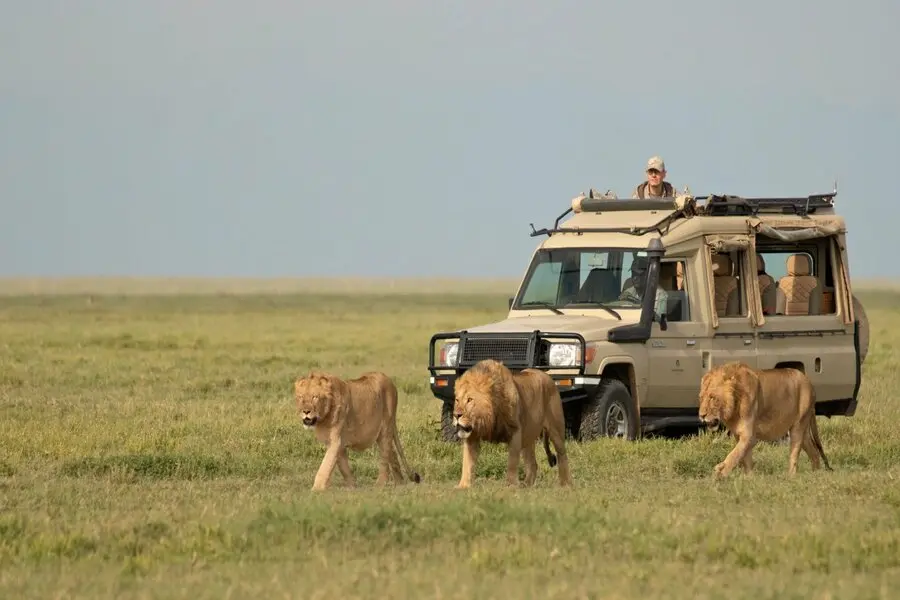
Nyerere National Park, formerly Selous Game Reserve, is Africa's largest protected wildlife area, spanning over 50,000 square kilometers in southern Tanzania. Renamed in honor of Julius Nyerere, Tanzania's first president,
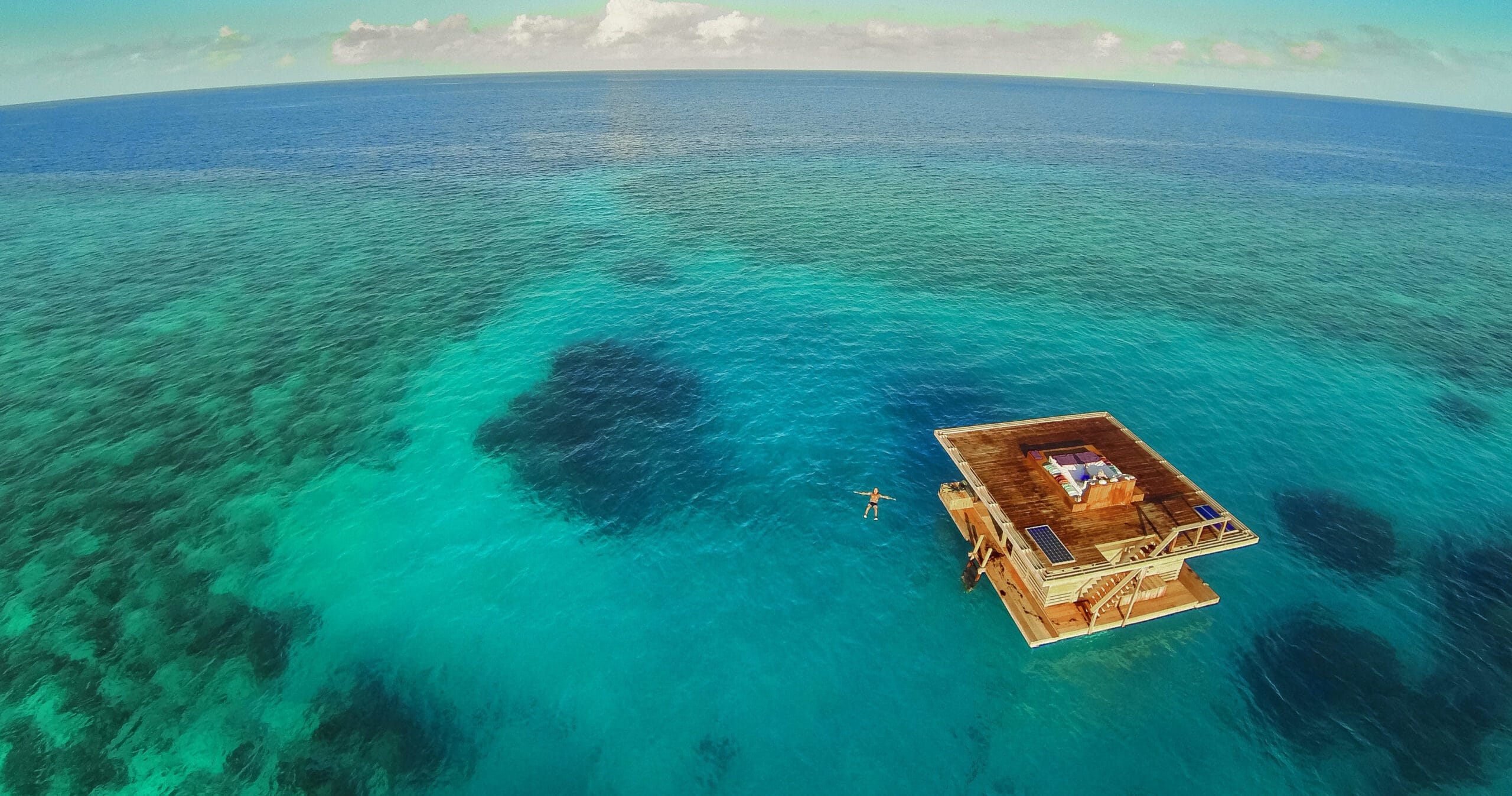
Pemba Island, part of Tanzania's Zanzibar Archipelago, offers diverse attractions. Its pristine waters are a haven for diving enthusiasts, boasting vibrant coral reefs and marine life.
Zanzibar Island, off Tanzania's coast, is a gem blending history and nature. Stone Town enchants with its UNESCO-listed labyrinthine streets and Swahili culture.
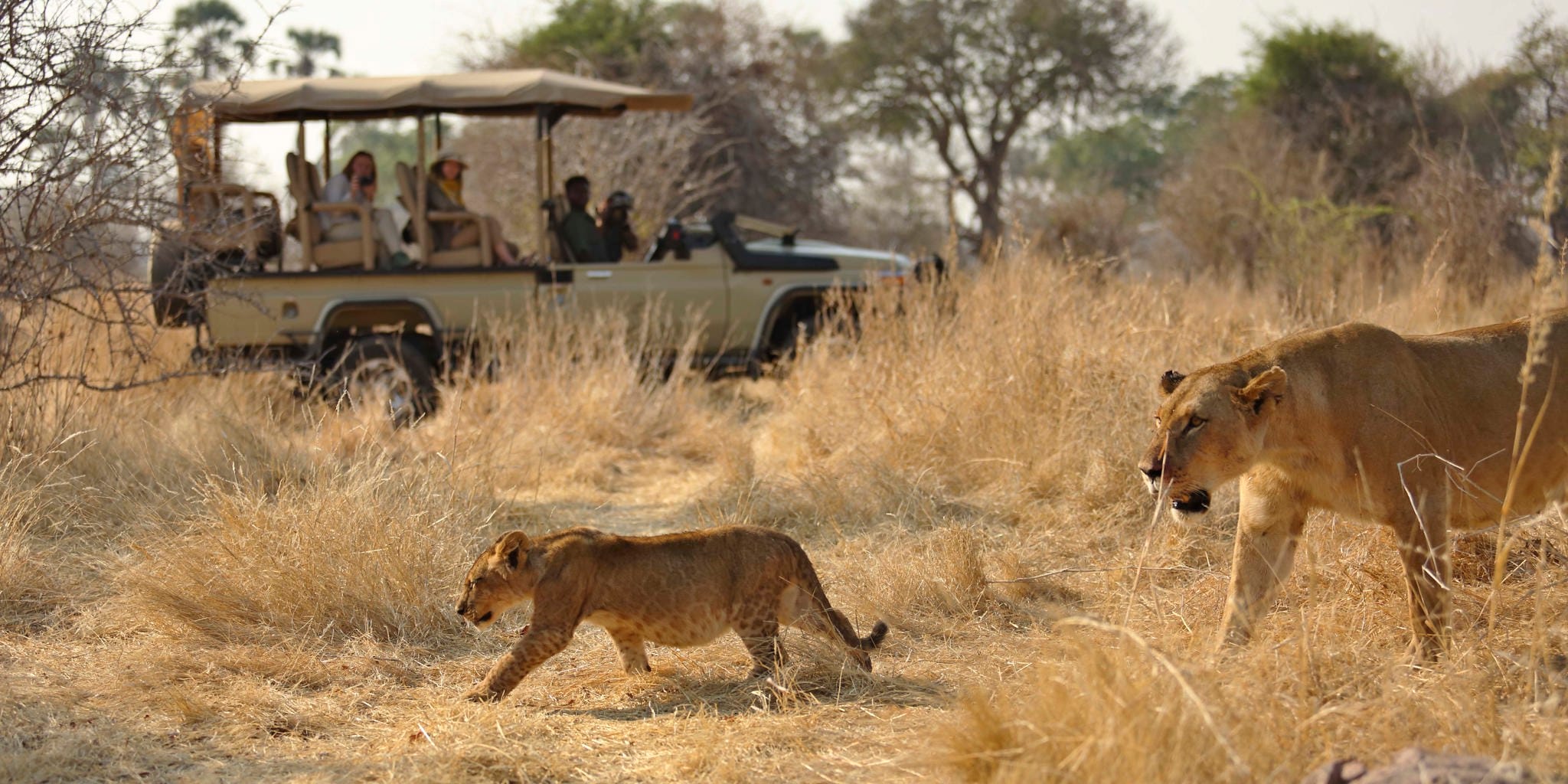
Covering 25,600 square kilometers, Ruaha National Park stands as Tanzania’s second largest and one of the wildest. Currently, it holds the title of East Africa’s largest national park and ranks
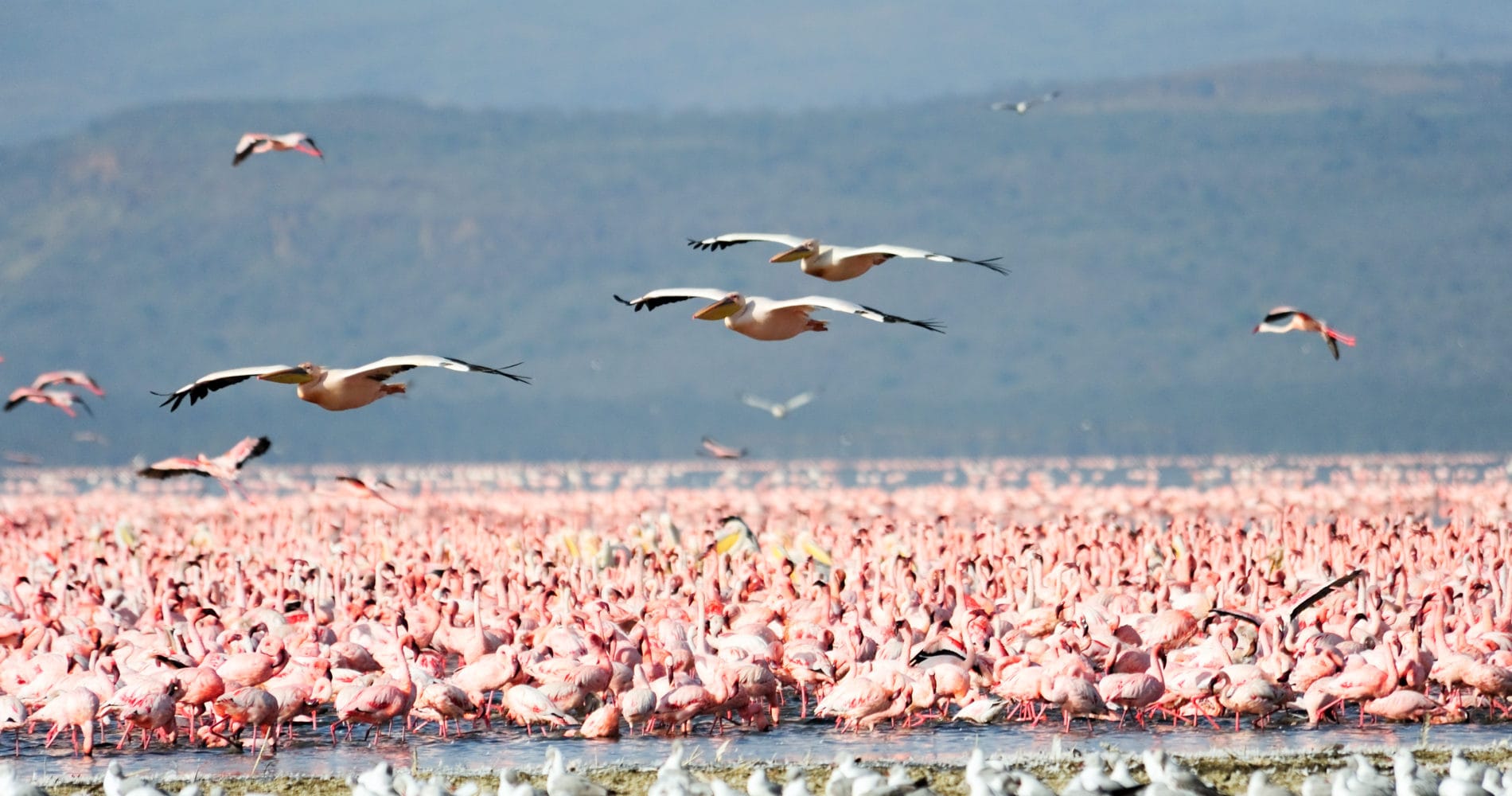
Lake Manyara National Park in Tanzania spans 325 km², showcasing diverse ecosystems. Its salt lake attracts flamingos, enhancing the scenic beauty.